
A Puerto Rican collector spent his evenings gathering the record of Black art, writing, and history. In 1926, his shelves became one of the great public archives.
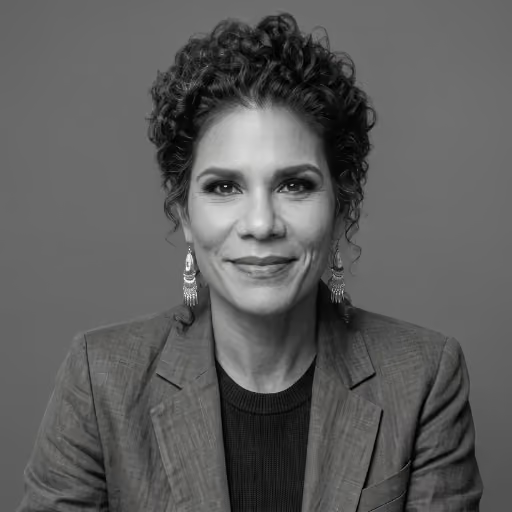




On Malcolm X Boulevard in Harlem stands a research library that holds about 10 million items, from rare books and manuscripts to photographs, prints, recordings, and works of art from across the African diaspora. Scholars, artists, and students travel from around the world to use it, and the name above its door belongs to the man whose own shelves started it all, Arturo Alfonso Schomburg.
Schomburg was born on January 24, 1874, in Santurce, Puerto Rico. His mother, Mary Joseph, was a freeborn Black midwife from St. Croix, and his father, Carlos Federico Schomburg, was a merchant and the son of a German immigrant.
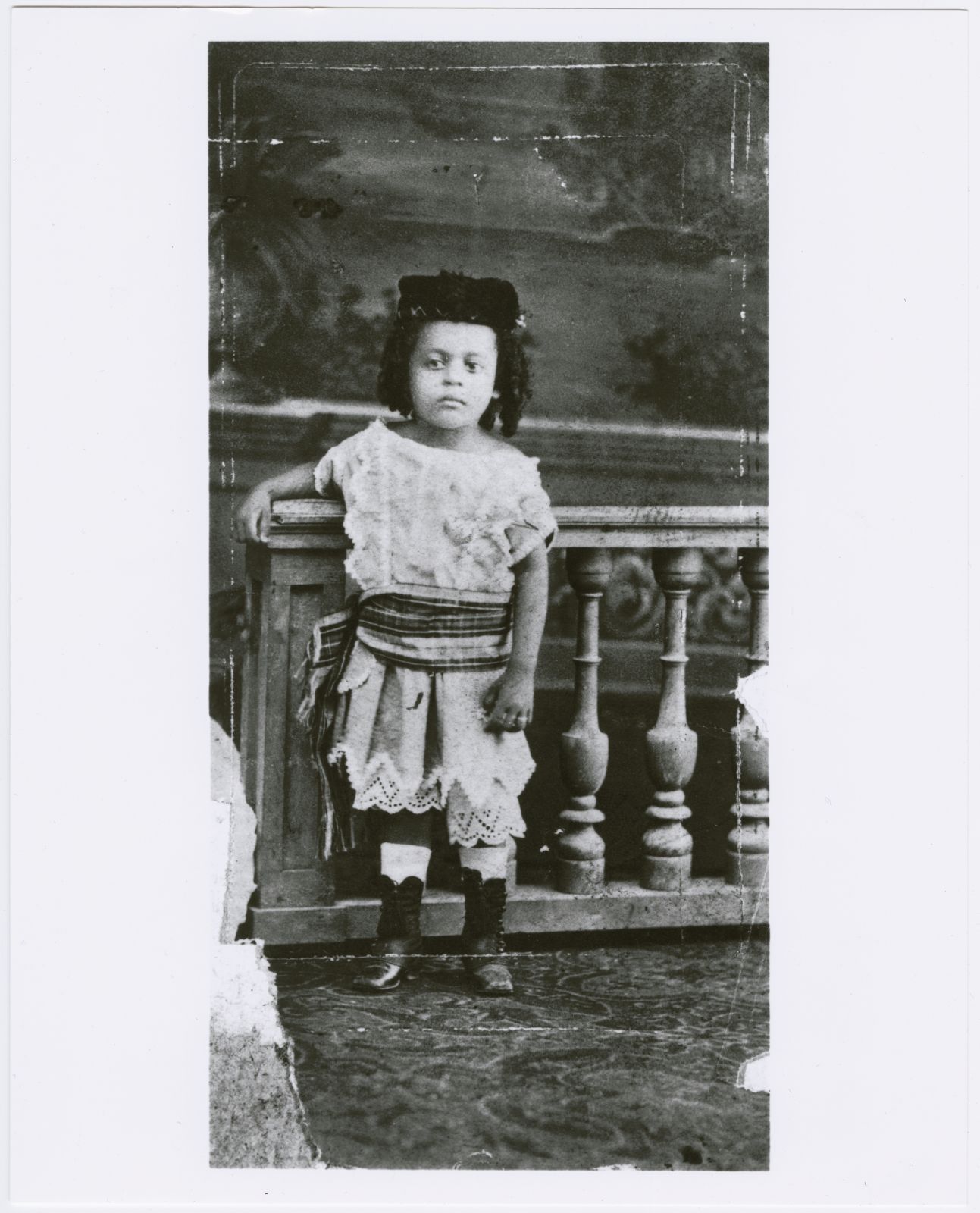
In 1891, at 17, he moved to New York, where he found his place among the Cuban and Puerto Rican exiles working to free their islands from Spanish rule. The following year he co-founded Las Dos Antillas, a club that supported both independence movements. Throughout his life he signed his name as both Arturo and Arthur, and each one was truly his.
Schomburg never held an academic post, and he had no family fortune to draw on. He earned his living as a messenger and clerk, and in 1906 he joined Bankers Trust, where he rose to supervise the mail section for the Caribbean and Latin America before leaving in 1929.
His evenings and his paychecks went to the collection. He sought out books, pamphlets, letters, manuscripts, prints, and art made by and about people of African descent, gathering them from the Americas, Europe, and Africa. A story often told about his school years says a teacher once claimed that Black people had no history, and whether or not it happened that way, he spent his life answering that claim.
He built this work in community, too. In 1911, he co-founded the Negro Society for Historical Research with the journalist John Edward Bruce, and after joining the American Negro Academy in 1914, he served as its last president from 1920 to 1928.

In March 1925, Schomburg published an essay in Survey Graphic, and later that year it appeared in Alain Locke's landmark anthology, The New Negro. It opens with a line that still reads like a mission statement: "The American Negro must remake his past in order to make his future."
The essay made the case that people of African descent had shaped world history and culture all along, and that the evidence was waiting to be found, studied, and shared. Arriving at the height of the Harlem Renaissance, it gave the movement a sense of its own deep roots.
In 1926, the New York Public Library bought Schomburg's collection of about 4,000 items for $10,000, with funding from the Carnegie Corporation and the support of librarian Ernestine Rose. The collection joined the library's Division of Negro Literature, History and Prints at the 135th Street Branch, in the heart of a Harlem alive with writers, musicians, and painters.
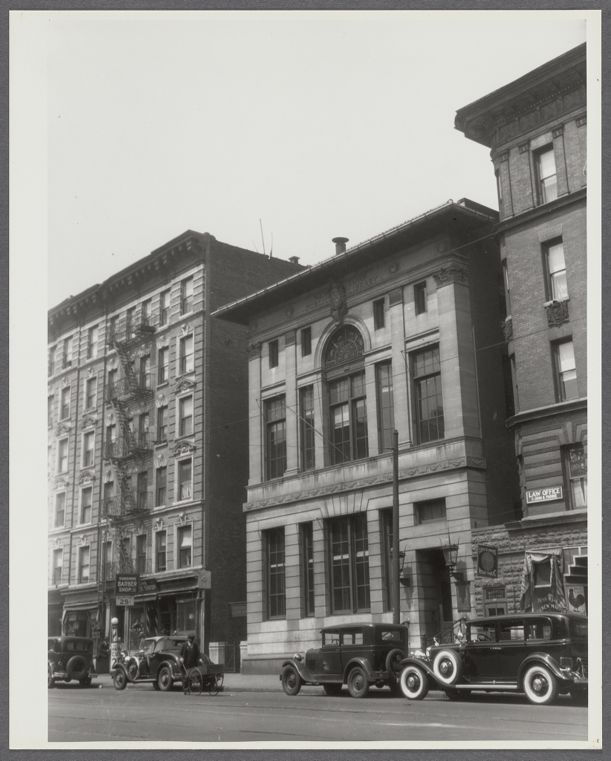
Schomburg kept working. Around 1930, he built up the library at Fisk University in Nashville, and in 1932 he returned to Harlem as curator of his former collection, adding to it for the rest of his life.
Schomburg died in Brooklyn on June 10, 1938. Two years later, the library renamed the division the Schomburg Collection of Negro Literature, History and Prints, and in 1972 it became the Schomburg Center for Research in Black Culture, one of the New York Public Library's research libraries.
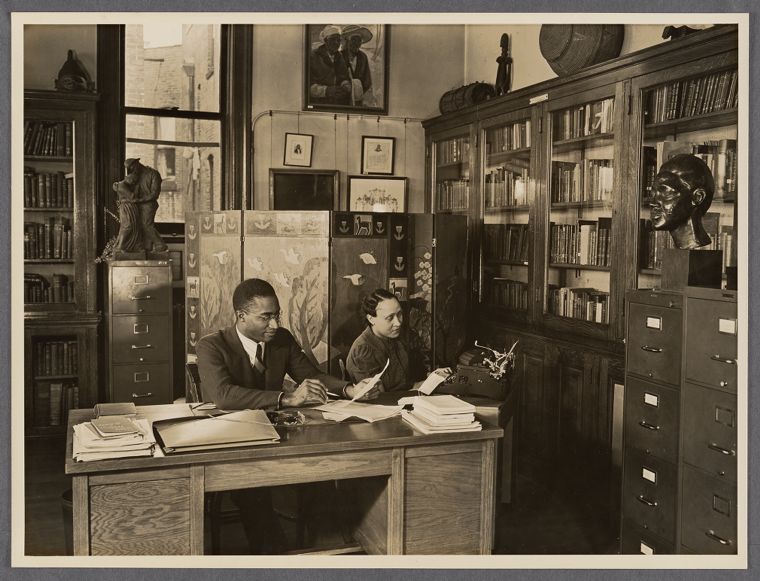
The 4,000 items he sold now sit within a collection of millions. Black and Latino communities both claim him with pride, and both claims are true, because he was a Puerto Rican independence activist and a central figure of the Harlem Renaissance in the same lifetime.
His deepest legacy is a way of working. He treated the creative and intellectual life of Black people as something worth keeping, cataloging, and opening to everyone, and every exhibition, dissertation, and book that draws on his collection carries a piece of that choice.
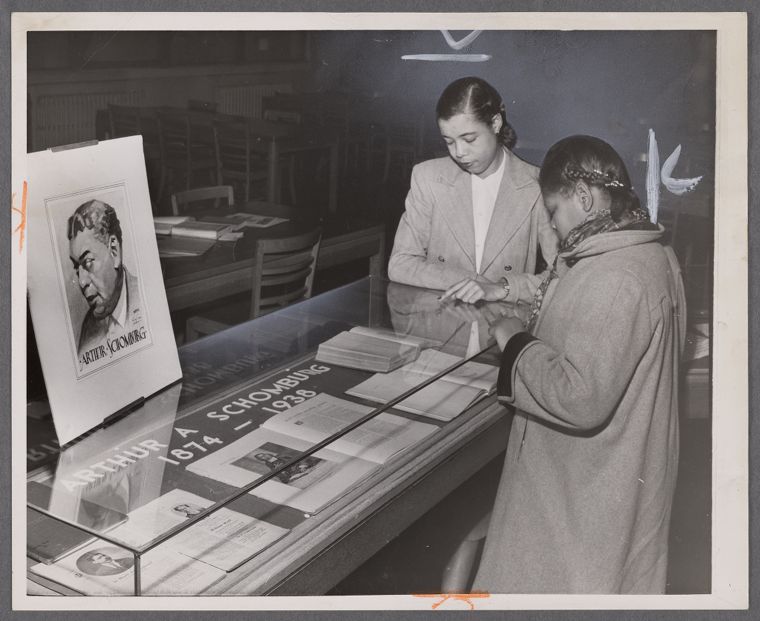
The Schomburg Center is showing To Uncover and Reveal to the World: Arturo Schomburg's Library through December 5, 2026, bringing out more than a hundred seldom-displayed books and works of art that once belonged to him. The Center is at 515 Malcolm X Boulevard in Harlem, and many items from the collection can also be viewed online through NYPL Digital Collections.
Who was Arturo Schomburg? Arturo Alfonso Schomburg (1874 to 1938) was a Puerto Rican collector, writer, and activist who built one of the world's most important collections of Black history and culture.
Where is his collection today? It forms the foundation of the Schomburg Center for Research in Black Culture, part of the New York Public Library, in Harlem.
Was Schomburg Puerto Rican? Yes. He was born in Santurce, Puerto Rico, to a Black mother from St. Croix and a Puerto Rican father of German descent.